After more than four decades in the saddle, Jimmy Quinn, one of Britain’s most enduring jockeys, has finally hung up his racing silks.
The 57-year-old Irishman brought his illustrious career to a close at Doncaster racecourse on Saturday 9th November, marking the end of an era in British horse racing.
Quinn’s retirement not only signifies the conclusion of a personal journey but also serves as a poignant reminder of the changing face of the sport. Afterall, a lot has changed since he started as an apprentice in 1985.
I always found him a good bet for an each way when the horse was right, and will miss seeing his name on the racecards.
A Bittersweet Farewell at Doncaster
Quinn’s last professional race took place in the November Handicap at Doncaster, a fitting venue for the jockey to bid adieu to the sport he has dedicated his life to. The choice of Doncaster was no coincidence, as it held a special place in Quinn’s heart, being the site of his very first ride nearly four decades ago.
Despite hopes for a fairy-tale ending, Quinn’s mount, Dark Moon Rising, trained by Kevin Ryan, finished 21st in the field. However, the result did little to dampen the spirits of those gathered to witness the end of an era. The weighing room, a place Quinn had called home for so many years, became the scene of a heartwarming send-off as his younger colleagues doused him with water in a playful tribute.
Quinn’s final day in the saddle was a testament to his enduring passion for the sport. Even in retirement, his competitive spirit shone through, with trainer Kevin Ryan revealing that Quinn had “tortured” him for a month to secure the ride on Dark Moon Rising. This determination and love for racing have been hallmarks of Quinn’s career, earning him respect and admiration from peers and racing enthusiasts alike.
Career: Quinn’s Journey Through Racing
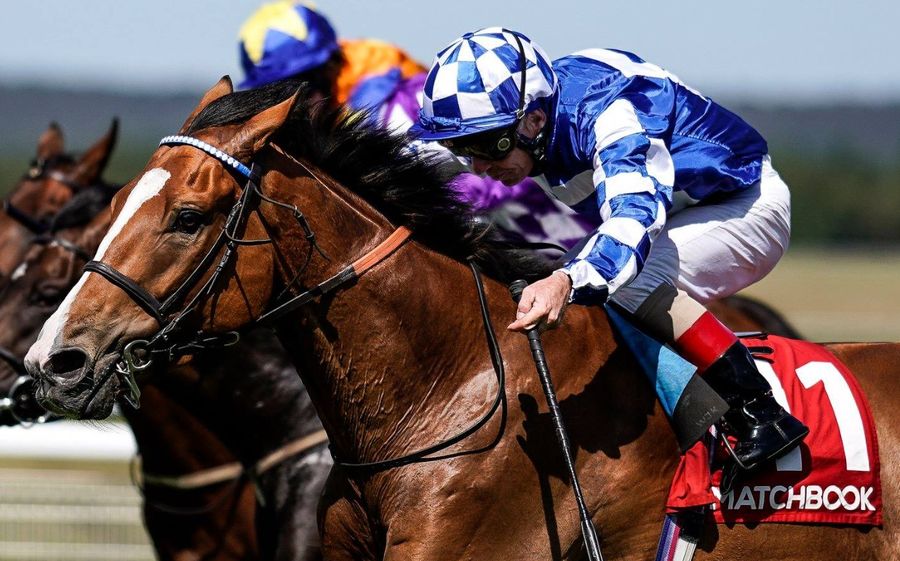
Jimmy Quinn’s racing career is a remarkable story of longevity, skill, and adaptability. Beginning in the early 1980s, Quinn quickly established himself as a talented lightweight jockey, a specialisation that would serve him well throughout his career.
Quinn’s journey in British racing really began when he moved from Ireland to Newmarket, the heartland of British flat racing. It was here that he honed his skills and began to make a name for himself.
His ability to ride at low weights opened doors to opportunities in major handicap races, which would become a significant part of his legacy.
Major Victories and Career Highlights
Throughout his career, Quinn amassed an impressive tally of over 1,500 winners from more than 22,000 rides. His most notable victory came in 2007 when he piloted Kingsgate Native to success in the Group 1 Nunthorpe Stakes at York. This triumph at the highest level of flat racing was a crowning achievement in Quinn’s career.
Other significant victories included:
- Winning the Lincoln Handicap twice (1992 on High Low and 2008 on Smokey Oakey)
- Claiming the John Smith’s Cup in 1998 aboard Porto Foricos
- Multiple successes in the Chester Cup
Quinn’s versatility was evident in his ability to excel in both sprint races and staying handicaps, a rare combination in modern flat racing.
International Success
Quinn’s talents weren’t confined to British shores. He enjoyed successful stints in various racing jurisdictions around the world, including:
- Germany, where he rode several big-race winners
- Hong Kong, competing against some of the world’s best jockeys
- Bahrain, further expanding his international racing experience
These international forays not only enhanced Quinn’s reputation but also broadened his racing knowledge, making him a valuable asset to trainers and owners alike.
The Lightweight Specialist
One of the defining aspects of Jimmy Quinn’s career was his specialisation as a lightweight jockey. In an era where jockeys are generally getting taller and heavier, Quinn’s ability to ride at low weights made him a sought-after jockey for major handicap races.
Handicap races, where horses carry different weights based on their ability, form a significant part of the flat racing calendar. Lightweight jockeys like Quinn are crucial in these races, as they can ride horses allocated the minimum weight without needing to use lead weights to make up the difference.
Quinn’s expertise in this area allowed him to compete in some of the most prestigious handicaps in the racing calendar. He often referred to these races as the equivalent of Group races for lightweight jockeys, highlighting their importance in his career.
Throughout his career, Quinn had to adapt to numerous changes in the sport. From advancements in training methods to alterations in race programming, he consistently demonstrated an ability to evolve with the times. This adaptability was key to his longevity in a sport that has seen significant changes over the past four decades.
Quinn’s Final Season in the Saddle
 The 2024 season marked Quinn’s final year as a professional jockey, and it was one filled with milestones and moments of reflection.
Initially, Quinn had planned to retire earlier in the year at Newmarket. However, the lure of the saddle proved too strong, and he extended his farewell tour. This decision allowed fans and fellow racing professionals more opportunities to pay tribute to the veteran jockey.
In a heartwarming moment that epitomised Quinn’s enduring skill, he rode his first winner of the 2024 season at Yarmouth in October. This victory, coming late in his final season, was a reminder of the talent that had sustained his career for so long.
Despite the temptation to continue after his Yarmouth success, Quinn remained committed to his decision to retire at Doncaster. This steadfastness in the face of emotional and professional temptations speaks volumes about Quinn’s character and his respect for the sport.
Legacy and Impact: Contribution to British Racing
As Jimmy Quinn rides into retirement, he leaves behind a legacy that extends far beyond his impressive list of victories.
In a sport where careers can be short-lived due to the physical demands and risks involved, Quinn’s 40-year career stands as a testament to his dedication, fitness, and skill. His longevity serves as an inspiration to younger jockeys, demonstrating that with the right approach, a long and successful career is possible.
Throughout his career, Quinn championed the cause of lightweight jockeys. His success in major handicaps highlighted the importance of these specialists in the sport, ensuring their continued relevance in an evolving racing landscape.
Having ridden for some of the most renowned trainers in British racing history, including Sir Henry Cecil, Luca Cumani, and Michael Jarvis, Quinn served as a link between different eras of the sport. His experiences and insights are invaluable to understanding the evolution of British racing over the past four decades.
Reflections on a Life in Racing
As he steps away from professional riding, Jimmy Quinn has had the opportunity to reflect on his remarkable career.
When asked if he would change anything about his career, Quinn’s response was unequivocal:
“People ask me if I would change anything and I wouldn’t.”
This satisfaction with his journey in racing speaks volumes about the fulfilment he found in his profession.
Quinn expressed deep gratitude for the opportunities he had been given throughout his career. He spoke fondly of the trainers and owners who supported him, from his early days with Hugh Collingridge to his long associations with established names in the sport.
Quinn described his job as “an addiction,” highlighting the passion that drove him to continue riding well into his fifties. This love for the sport was evident in his determination to secure rides even in his final season.
The Racing Community Reacts
The announcement of Jimmy Quinn’s retirement has prompted an outpouring of tributes from across the racing world.
Younger jockeys have expressed their admiration for Quinn’s longevity and professionalism. Many have cited him as an inspiration and a source of valuable advice throughout their careers.
Trainers who have worked with Quinn over the years have praised his reliability, skill, and deep understanding of horses. Kevin Ryan, who provided Quinn’s final ride, spoke warmly of their long association and Quinn’s determination to secure that last mount.
Racing journalists and commentators have reflected on Quinn’s career, highlighting his significant contributions to the sport and his status as one of the last links to a previous era of racing.
A Career to Remember
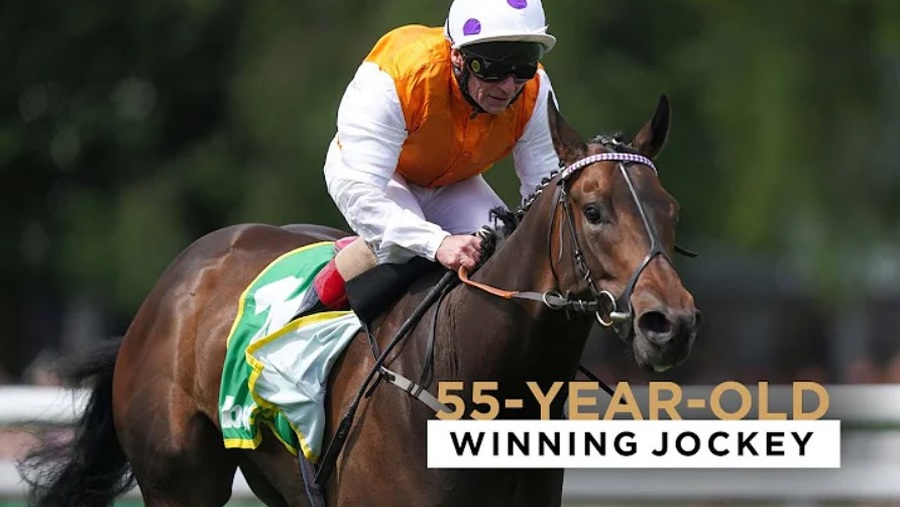
As Jimmy Quinn hangs up his racing silks for the last time, he leaves behind a legacy that will be long remembered in British horse racing. His journey from a young Irish jockey to one of Britain’s most enduring and respected riders is a testament to his skill, dedication, and love for the sport.
Quinn’s career spanned eras of significant change in racing, yet he remained a constant, reliable presence in the weighing room and on the track. His specialisation as a lightweight jockey, his international successes, and his ability to compete at the highest level well into his fifties mark him out as a unique figure in modern racing.
As the racing world bids farewell to Jimmy Quinn the jockey, it also looks forward to seeing how he might continue to contribute to the sport he has served so well for over four decades. His retirement marks the end of an era, but the impact of his career will continue to be felt in British racing for years to come.