I’ve been punting for more years than I care to admit, so it goes without saying that I’ve got no problem with betting. Obviously. I run a betting blog for heaven’s sake. I enjoy a flutter, I know the risks, and I know how to keep it fun. So this ain’t some anti-gambling rant, far from it.
But when I read the story this week about Premier League clubs facing legal action for partnering with unlicensed gambling firms, I couldn’t help but think: finally. Someone’s waking up.
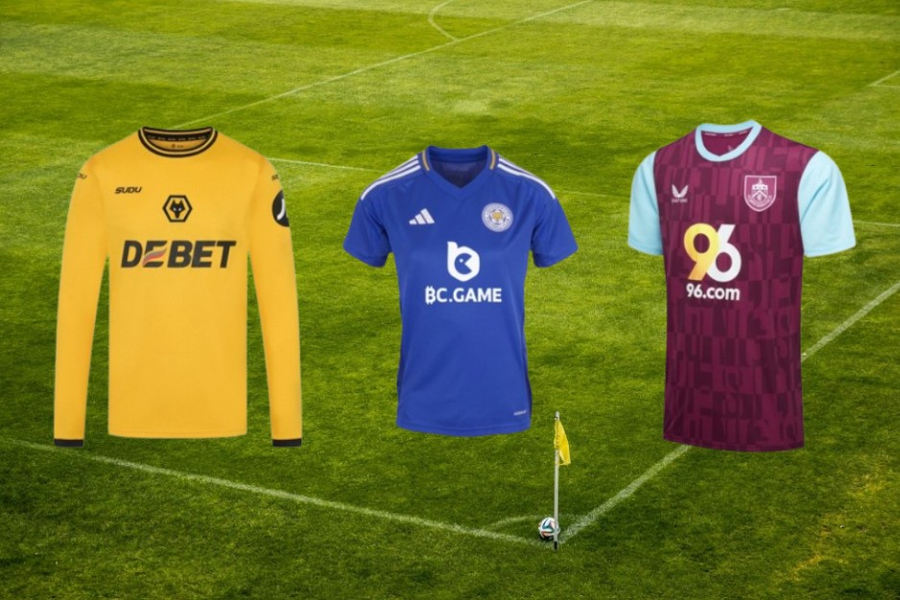
Sky News dug into this one and it’s not pretty. There are several clubs – Leicester City, Wolves, Burnley, Bournemouth, Fulham, Newcastle – that have been happily wearing the logos of online casinos that either don’t have a UK gambling licence anymore or never should’ve been allowed near a football shirt in the first place. And these aren’t some tiny betting shops nobody’s heard of – we’re talking about companies like BC.Game, DEBET, and 96.com. They’ve lost their licences, in some cases months ago, but are still plastered all over club kits and matchday banners.
Now look, I’m not anti-gambling sponsorships on shirts. Not entirely. I remember the old days of Holsten and Carlsberg on kits, and betting sponsors are just the modern version of that. Football’s always had commercial deals, and as someone who bets on the game, it doesn’t offend me to see a logo for a sportsbook on a sleeve.
But this? This is different. These aren’t regulated UK companies following the rules. Some of these sites aren’t even on Gamstop. That’s not just a technicality – that’s dangerous.
Gamstop Exists for a Reason
I know a few lads who’ve self-excluded through Gamstop. It’s a lifeline for people who’ve got in too deep and need to take a break. And that break should mean everywhere, not just the big-name bookies. But when clubs start promoting dodgy offshore sites that aren’t even part of the scheme, it undermines everything. It gives punters easy ways back in, and for clubs to be part of that? Shocking.
It’s not just about the fans either – it’s about reputation. When you slap the name of a casino that isn’t licensed in the UK across your chest, you’re not just taking the money. You’re making a statement. You’re saying this is a company we trust, this is who we want to be associated with. What kind of message does that send when the company’s skirting the law?
Leicester’s sponsor BC.Game lost its UK licence last year. Wolves’ sponsor DEBET gave theirs up in May. Burnley’s backer, 96.com, went down with the TGP Europe ship – the same lot that were behind a few other sponsors. Yet these names are still up in lights. Still being beamed around the world. Still targeting UK punters.
Clubs Should Know Better
Let’s not pretend clubs don’t have the resources to check this stuff. They’ve got lawyers, compliance teams, commercial departments – they know exactly what they’re signing. If they don’t, they’re either negligent or just don’t care, and I’m not sure which is worse.
At a time when football is raking in billions, are these shirt deals even worth the risk? The backlash, the fines, the potential court cases? Seems short-sighted to me.
I think this whole saga is going to push things even further down the road towards betting sponsorships being phased out entirely. We’ve already seen the Premier League agree to drop front-of-shirt betting sponsors by 2026. It’s not the end of betting in football, but it’s a sign of change.
Just like alcohol sponsorship faded away in the late ‘90s and early 2000s, I reckon gambling deals might go the same way. Slowly at first – lose the shirt logos, keep the pitchside boards. Then the boards go. Then it’s just the odd deal here and there. Betting and football will always go hand-in-hand – you’ll still see the odds on screen, pundits still talking about favourites and outsiders, fans still throwing a tenner on a 4-1 home win. But the in-your-face stuff might be on its way out.
It Doesn’t Have to Be All or Nothing
I don’t think that’s a bad thing. We’ve all seen how much betting is everywhere in football. Ads during the break, logos in your face, odds flying around constantly. I get it – I work in this world – but even I think it’s been a bit much.
There’s a balance to be struck. A responsible, regulated UK sportsbook sponsoring a club? Fair enough. But this isn’t that. This is clubs turning a blind eye and cashing cheques from firms that aren’t playing by the rules. That’s not supporting the industry, that’s selling it out.
15-year-old Jeremy Monga makes history as the second-youngest Premier League debutant after Ethan Nwaneri! Due to his age, he wore a kit without Leicester’s gambling sponsor. What a moment! 🔵 #JeremyMonga #PremierLeague #LeicesterCity #NextGen @maincard_io pic.twitter.com/INEGRW9FCo
— Chioma Emekaobi (@ChiomaEmekaobi) April 11, 2025
And let’s be honest, there’s a hypocrisy to it all. These clubs talk about mental health, about supporting fans, about doing the right thing. Then they go and slap a dodgy casino logo on their kits and take money from sites that aren’t even allowed to operate in the UK. That’s not just bad optics – that’s downright irresponsible.
So no, I’m not anti-gambling. I’m not even anti-gambling sponsors, really. But I am anti-illegal operators, anti-non-Gamstop sites, and anti-clubs acting like they don’t have a duty to the people who fill their stadiums and wear their shirts.
If this legal action gives the Premier League a kick up the backside, good. If it forces clubs to vet their partners properly and bin off the dodgy ones, great. And if it means a future where gambling is still part of football, just not shoved in our faces by law-breaking companies? I’m all for it.
We can’t have it both ways – either we have a regulated industry or we don’t. And if football wants to be part of that industry, it needs to follow the rules like the rest of us.